PartnerMatch Education
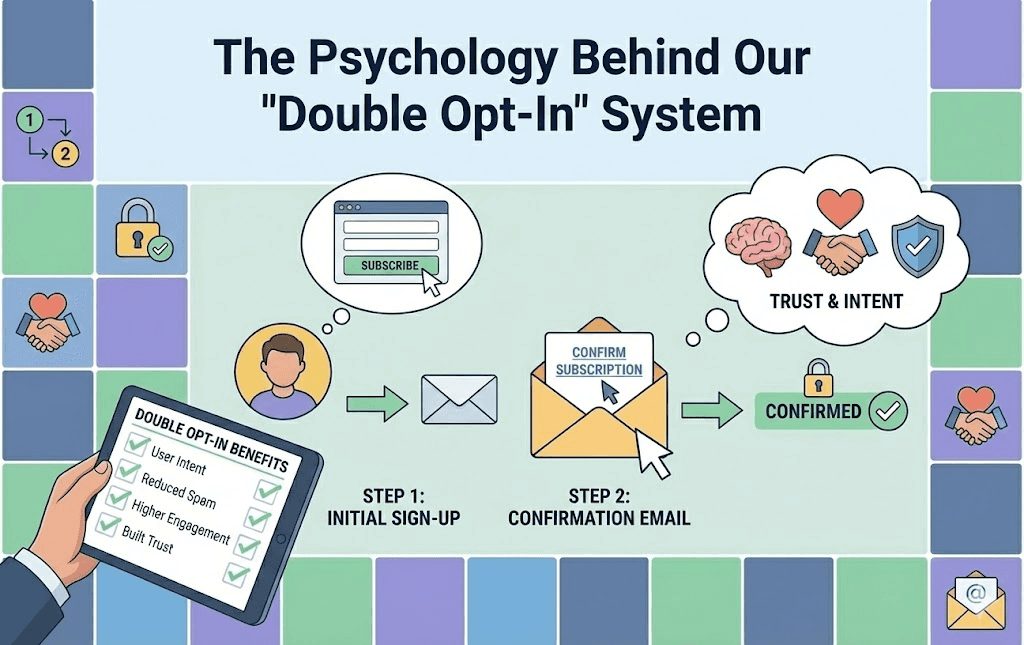
The Psychology Behind Our "Double Opt-In" System
Date
Oct 16, 2025
Author
Matt Astarita
There is a specific type of fatigue that comes from being "sold to" all day. You open LinkedIn, and there are five red dots. You know, before you even click, that they are copy-pasted pitches asking for 15 minutes of your time.
Your brain builds a callus. You stop reading. You start archiving.
In 2026, the "Open Inbox" policy is a failed experiment. It created a world where the loudest, most aggressive spammers win, and the thoughtful strategists get drowned out.
At PartnerMatch.co, we killed the "Cold Message." We replaced it with the Double Opt-In.
This wasn't just a technical decision; it was a psychological one. We leveraged behavioral economics to shift the dynamic from "Harassment" to "Consent." Here is why our system produces higher conversion rates by respecting human nature.
The Shift from "Begging" to "Agreeing"
The fundamental flaw of cold outreach is the Power Imbalance.
The Pitcher: Is in a position of low status (Asking for something).
The Receiver: Is in a position of high status (Gatekeeper).
This creates a defensive conversation. The Receiver is looking for reasons to say "No."
The Double Opt-In Effect:
When both parties have to swipe right before a word is spoken, the power dynamic resets to Neutral.
User A: "I want to talk."
User B: "I also want to talk."
When the chat opens, you aren't digging yourself out of a hole. You are standing on level ground. The conversation starts with: "Glad we connected," not "Sorry to bother you."
[Internal Link Opportunity]: Link this section to Article #30: "The Art of the Double Opt-In Introduction" to show how this mirrors the best manual networking habits.
Cialdini’s Principle of "Commitment and Consistency"
Robert Cialdini, the father of influence, taught us that humans have a deep desire to be consistent with their past actions.
In Cold Email: The prospect made zero commitment. Ignoring you is easy.
In Double Opt-In: The prospect clicked "Accept." They made a Micro-Commitment.
Psychologically, ignoring you after clicking "Accept" creates cognitive dissonance. "I said I wanted to talk, so I should talk."
This is why our Reply Rate on initial messages is over 85%, compared to < 5% for cold email. We engineered the "Ghosting" out of the system by leveraging the user's own need for consistency.
The "Silent No" (Eliminating Guilt)
Why do people let their LinkedIn inboxes pile up with unread messages? Guilt.
They don't want to talk, but they also don't want to be rude and say "No." So they procrastinate.
We built a feature called the Silent Rejection.
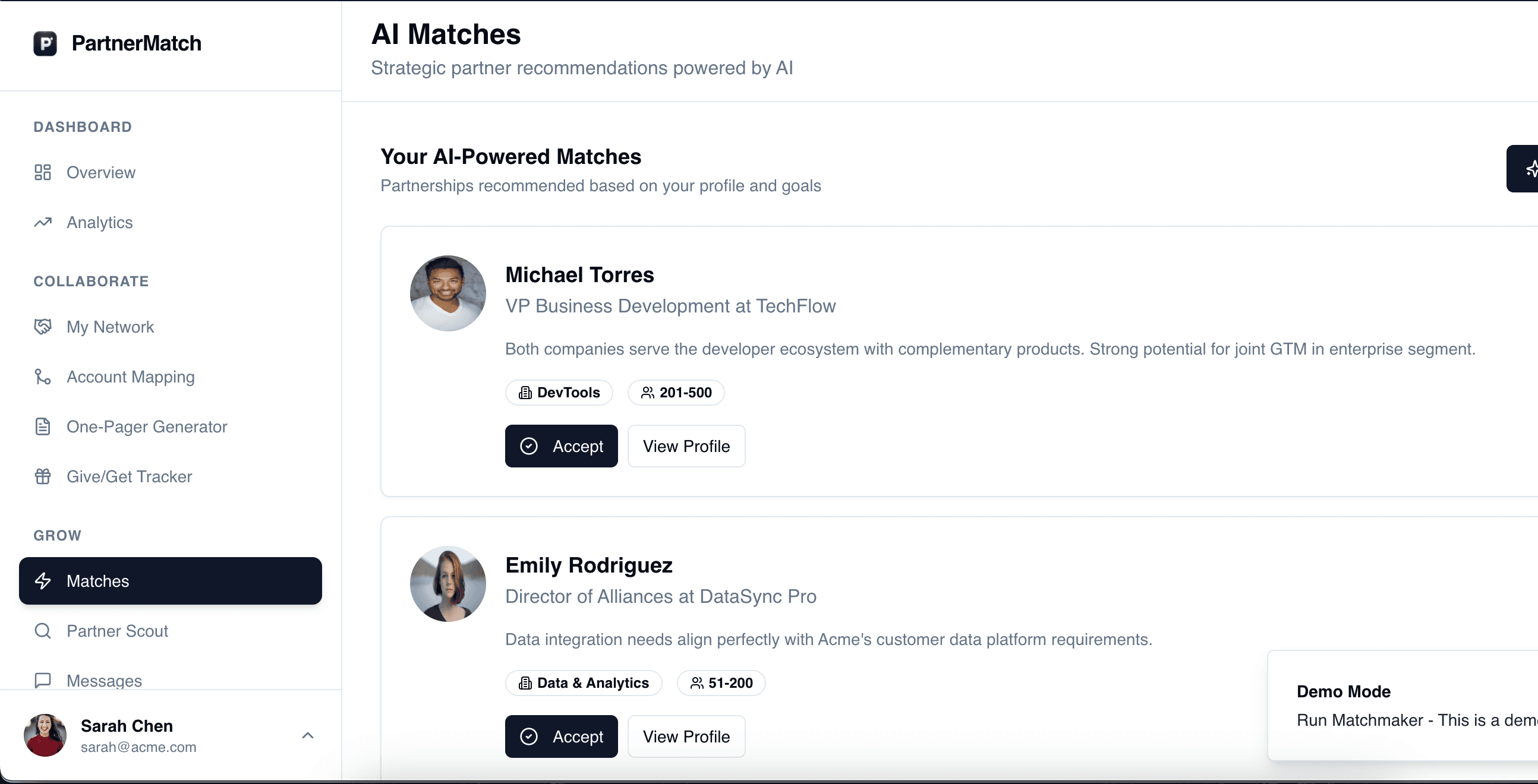
If you see a Match Card you don't like, you pass. The other person is never notified. They don't get a "You were rejected" email. They just never match.
The Psychology:
By removing the social cost of saying "No," we encourage users to process their queues faster.
Result: Users on PartnerMatch review 50 cards in the time it takes to reply to 1 email.
Benefit: You get your matches faster because nobody is stuck in "Guilt Paralysis."
[Internal Link Opportunity]: Link this section to Article #24: "How to Spot a Time-Waster" to explain why a quick "No" is better than a slow "Maybe."
The Scarcity Heuristic
On open platforms, access is cheap. Anyone can message anyone. Therefore, the message has low value.
On PartnerMatch, access is Gated.
Because you know that the other person had to review your profile, your intent, and your tech stack before accepting, the connection feels Earned.
The Valuation:
LinkedIn Connection: Value = $0. (Might be a bot).
PartnerMatch Connection: Value = High. (They verified they want to do business).
When users perceive the connection as scarce and verified, they treat it with more professional respect. They show up to the meeting.
The Comparison: Anxiety vs. Action
This table breaks down the emotional state of the user in both models.
Metric
| Cold Outbound (The Old Way)
| Double Opt-In (PartnerMatch.co)
|
User Emotion
| Annoyance / Anxiety
| Curiosity / Validation
|
Power Dynamic
| Asymmetric (Beggar vs. Chooser)
| Symmetric (Peer to Peer)
|
First Message
| "Please give me time."
| "How do we start?"
|
Rejection
| Painful (Ghosting/Rude replies)
| Painless (Invisible)
|
Outcome
| High Volume, Low Trust
| Low Volume, High Trust
|
The Verdict for 2026
We didn't just build a matching algorithm. We built a Safe Space for strategy.
By ensuring that every interaction is consensual, we removed the armor that business people wear. When the armor comes off, the deals happen.
Don't force the door open. Wait for someone to unlock it from the inside.